Understand
See the biological processes behind age-related change.
Understanding aging
The Hallmarks of Aging provide a map: they help explain what changes inside the body, how those changes interact, what can be measured - and where today's interventions may connect.
A better way to think about age
See the biological processes behind age-related change.
Use several signals rather than treating one score as absolute truth.
Match the objective, evidence and level of intervention.
The expanded framework
These are not twelve separate diseases. They are interconnected processes researchers use to understand why repair, resilience and function can change with age.
Selected hallmark
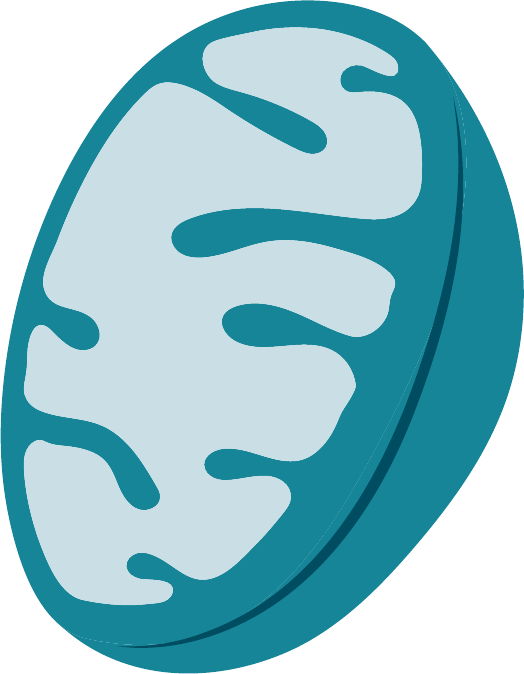
Damage and errors accumulate in DNA over time.
One of the central connections
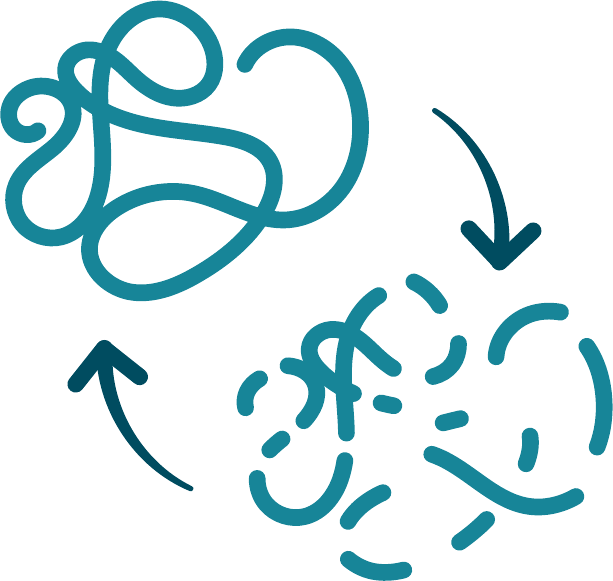
Inflammation is essential for repair. But when it remains persistently active at a low level, it can interact with several hallmarks of aging and contribute to a cycle of declining resilience.
The starting conditions
The central idea

Systems affected over time
We are early - but progress is real
No assessment can provide a perfect or complete biological age. But blood biomarkers, physical capacity, body composition, molecular tests and wearable data can reveal meaningful patterns in how the body is functioning and changing over time.
AI analysis of routine blood biomarkers, inflammatory markers and more advanced proteomic, metabolomic or glycan-based approaches.
DNA-methylation clocks and telomere-length tests examine different cellular signals - not one definitive age.
VO2 max, grip strength, gait speed, balance and recovery reveal functional reserve that a molecular clock may miss.
Muscle mass, visceral fat, bone density, blood pressure, arterial stiffness and selected organ-specific assessments.
Sleep, heart-rate variability, activity and recovery trends from wearables can add useful longitudinal context.
WHOOP estimates physiological age and Pace of Aging from longer-term sleep, activity and fitness patterns. Oura estimates Cardiovascular Age. Their strength is not diagnostic precision, but the ability to observe personal trends over time.
A practical starting point
ImagineHealth offers an accessible lifestyle assessment using routine blood biomarkers and AI-supported analysis. It translates familiar laboratory results into an estimated biological-age profile and practical areas for attention.
From understanding to possibility
Some influences are part of everyday life. Others involve targeted optimization, supervised procedures or regenerative medicine. The relevant question is not which option claims to affect the most hallmarks, but which approach fits the objective, evidence, complexity and individual.
How to read this framework: A biological connection is not the same as a proven longevity outcome. Laboratory mechanisms, biomarker changes and meaningful human outcomes are different levels of evidence.
Improve the environment in which the body ages.
Exercise · nutrition · sleep · stress management · saunaStrongest starting pointIdentify patterns and address relevant, modifiable factors.
Blood testing · body composition · wearables · medically appropriate metabolic or hormone managementAssessment availableUse supervised procedures for defined physiological or recovery objectives.
HBOT · red-light therapy · DFPP · peptidesSelected accessExplore repair, signalling and immune-related objectives at the top of the pyramid.
MSCs · NK cells · selected exosome-based approachesSelected accessSelected examples - not a complete list. Individual options differ substantially in evidence, complexity, regulation and suitability.
Where do you go from here?
Start with an accessible view of blood-based aging patterns and receive personalized nutrition and exercise guidance.
Explore biological-age assessmentUnderstand interventions by complexity, evidence, objective and the degree of guidance they require.
Explore interventions